Breathe Calm Into Every Room With Intelligent Harmony
Breath-Responsive Lighting
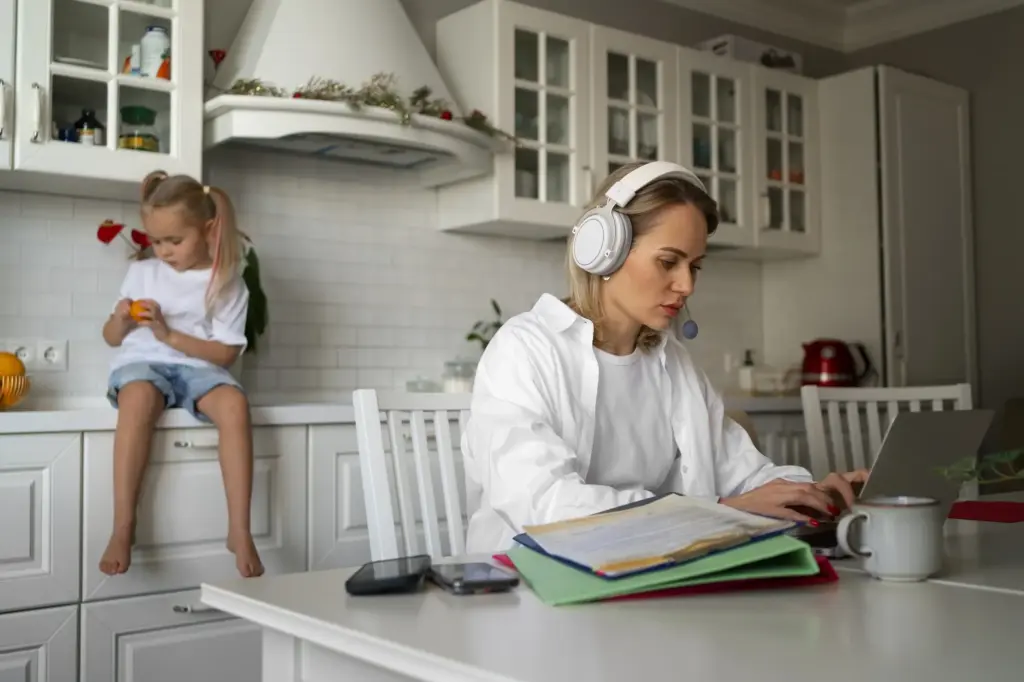
Pair a low-latency sensor or wearable with tunable bulbs to shift color temperature and brightness alongside slow, resonant breathing. Warmer tones on exhale invite release; slightly brighter, cooler accents on inhale support alertness. Over time, these micro-adjustments train the room to mirror ease, helping presence arrive without demanding attention or complex controls.
Soundscapes That Exhale With You
Ambient sound can gently synchronize with diaphragmatic rhythms, lowering tempo during elongated exhales to nudge the vagus nerve and reduce stress. Think soft drones, natural textures, and binaural elements that never dominate. If breath becomes shallow, the system subtly pauses layers, inviting you home to steadier waves without judgment or jarring transitions.
Scent, Airflow, and CO2 Awareness
Mindful rooms breathe too. Ventilation that maintains CO2 under a thousand parts per million preserves clarity, while quiet fans match breath pacing for somatic reassurance. A single lavender or cedar pulse marks session openings, then gracefully dissipates. Automations prioritize freshness and rhythm, not overpowering fragrance, keeping attention centered on the gentle rise and fall within.
The Anchor Corner
Create a small alcove with a mat, a breathable cushion, and a low table holding only what matters: timer, water, perhaps a photo or plant. Motion sensors cue a gentle prelude scene upon approach. By keeping objects intentional, the body recognizes safety quickly, reducing negotiation and paving a direct path to regular, nourishing sessions.
Clutterless Pathways
Mindful movement begins before sitting down. Define clear walkways and soft thresholds using diffused light strips and tactile floor markers to guide feet without thought. Storage that swallows cables, chargers, and remotes removes friction. When nothing snags attention, transition costs drop dramatically, and practice feels like stepping into a quiet glade rather than solving a puzzle.
Material Warmth and Acoustics
Wool, cork, felt, and wood soften reflections, helping breath remain audible without amplification. Add curtains or panels where echoes linger. Tuned reverberation times prevent sounds from bouncing into agitation. Meanwhile, breathable fabrics maintain temperature comfort, letting automation work lightly. Together, texture and tone cradle the body, making each inhale expansive and each exhale satisfyingly complete.
Daily Routines That Sync
Morning Sun, Gentle Activation
Begin with blinds opening a few degrees before rising, bulbs warming from ember to soft daylight, and a subtle chime matching six breaths per minute. A diffuser offers one bright citrus note, then fades. The first sips of water cue a brief gratitude practice, while the kettle and calendar lights remind you presence steadies the entire day.
Midday Reset Ritual
When typing speed spikes or heart rate variability dips, the room suggests a two-minute breathing break instead of demanding it. Desk lights transition to a calm scene, notifications pause, and a quiet pulse animates the wall. You return refreshed, not delayed, because the interruption was crafted as kindness, not another item to conquer or defer.
Evening Downshift
As twilight arrives, color temperatures drift warmer, screens dim automatically, and white noise masks hallway clatter. A floor lamp breathes slower than earlier, inviting longer exhales. Gentle reminders close open loops—dishes, notes, tomorrow’s clothes—so the mind can soften. The bedroom greets you with cool air and darkness, making sleep hygiene feel graceful rather than strict.
Privacy-First Architecture
Compassionate Metrics
Fail-Gracefully Offline
Data Without Distraction
Stories From Real Homes
A Parent Rediscovers Quiet
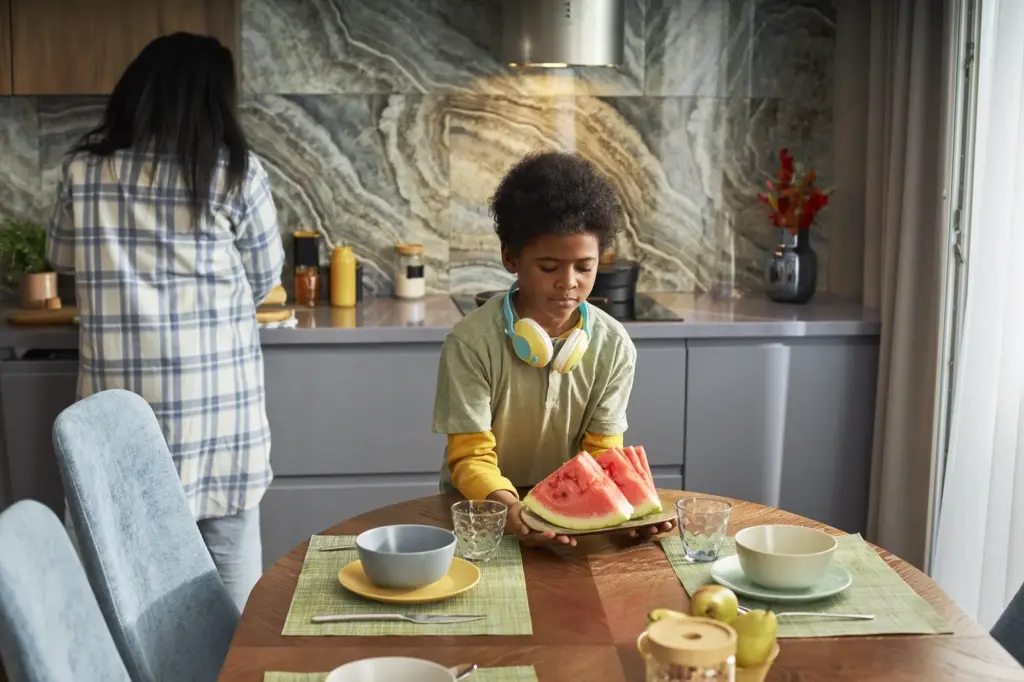
After chaotic evenings, a parent linked toy bins to tidy-time music and then a family breathing light. Three shared minutes slowed everyone down. Bedtime tantrums eased, not through stricter rules, but by softening the room’s tempo. The house learned to exhale together, and arguments gave way to giggles, stories, and earlier, sweeter sleep.
Anxious Sleeper Finds Rhythm
A graduate student paired a wearable’s HRV trend with an auto-triggered resonance soundtrack. When anxiety peaked, the desk lamp switched to a slow ocean hue, guiding breaths without commands. GPA rose, headaches dropped, and weekend mornings felt spacious again. Tools stayed simple; compassion and steadiness did the heavy lifting, quietly, night after night.
Roommates Build Respectful Boundaries
Three roommates mapped door sensors to status scenes: study, rest, social. A shared panel showed gentle cues, not demands. When study mode appeared, kitchen lights cooled and chatter migrated. Conflicts shrank as signals replaced guesswork. Meditation corner usage tripled, and rent meetings transformed from tense negotiations into cooperative check-ins with tea, breath, and clarity.
Choose One Breath Trigger
Map One Room Journey
Join and Share
Getting Started Today
Adaptive Scenes Trained on Calm
Interoperability That Frees You
All Rights Reserved.